The Age of Industrialisation: CBSE Class 10 History practice questions
Practise 50 questions on The Age of Industrialisation, free, with an explanation for each answer.
Sample questions
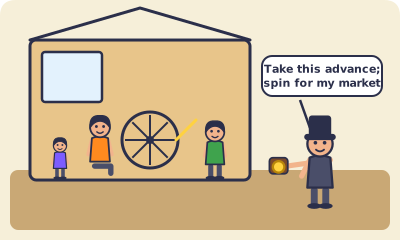
Before factories appeared, peasant and artisan households produced goods on a large scale for an international market. Many historians give this phase one name. What is it?
- Proto-industrialisation
- The factory system
- Enclosure of the commons
- Guild production
Show the answer
A. Proto-industrialisation
Proto-industrialisation is the early phase of industrial production that was not based on factories. Merchants supplied money to peasants and artisans in the countryside, who produced goods for a faraway market. The factory system came later, enclosures pushed poor peasants to look for extra income, and guilds controlled production in towns, so none of these names this phase.
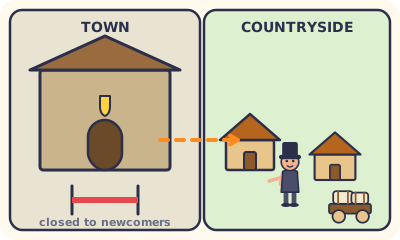
In the seventeenth and eighteenth centuries, merchants of European towns moved production to the countryside. Why?
- Machines worked only in villages
- Urban guilds were powerful and restricted new people from entering trades
- Peasants refused to sell wool in towns
- Rulers had banned all trade within towns
Show the answer
B. Urban guilds were powerful and restricted new people from entering trades
Town guilds trained craftspeople, controlled production, regulated competition and prices and restricted entry, and rulers gave them monopoly rights. So new merchants found it hard to start business in towns and turned to peasants and artisans in the countryside, who needed extra income. Machines, refusal by peasants or a ban on town trade are not reasons given in the chapter.
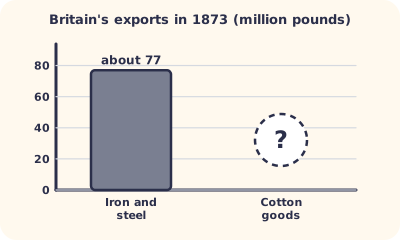
By 1873, Britain was exporting iron and steel worth about £77 million. This was double the value of its cotton exports. About how much were the cotton exports worth?
- About £154 million
- About £38.5 million
- About £77 million
- About £19 million
Show the answer
B. About £38.5 million
Iron and steel was double cotton, so cotton was million pounds. doubles instead of halves; treats the two as equal; halves twice. This also shows the shift in leadership: cotton led up to the 1840s, then iron and steel led, as railways expanded in England from the 1840s and in the colonies from the 1860s.
Topics covered
- Opening images
- Proto-industrialisation
- Factories and cotton
- Pace of industrial change
- Hand labour and steam power
- Life of the workers
- Weavers and the Company
- Manchester comes to India
- Factories come up
- The peculiarities of industrial growth
- The early entrepreneurs
- Industrialisation in the colonies
- Peculiarities of industrial growth
- Where did the workers come from?
- Market for goods
- Small-scale industries and weavers
- New words
- Machines and inventors
- The age of Indian textiles
- Facts and figures