Glimpses of India: CBSE Class 10 English practice questions
Practise 50 questions on Glimpses of India, free, with an explanation for each answer.
Sample questions
The elders of a Goan village often talk with longing about the "good old days". What exactly are they nostalgic about?
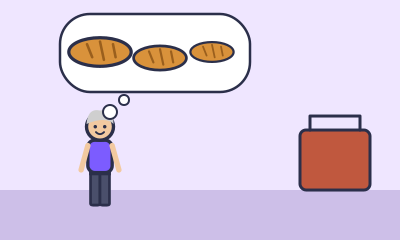
- The days when tea replaced bread at breakfast
- The Portuguese days and their famous loaves of bread
- The time when they themselves worked as bakers
- The days before the Portuguese came to Goa
Show the answer
B. The Portuguese days and their famous loaves of bread
The author says our elders reminisce about "those good old Portuguese days" and the famous Portuguese loaves of bread. The eaters of those loaves may be gone, but the makers (the mixers, moulders and bakers) are still there. Nothing in the text says the elders were bakers or that tea replaced bread.
Even today, someone in half pants that reach just below the knees may be told, "You are dressed like a pader!" Why?

- The pader's traditional kabai was made of knee-length shorts
- Paders wore half pants so that the furnace would not burn them
- In the author's childhood the bakers wore trousers shorter than full length but longer than half pants
- Paders were known for dressing carelessly
Show the answer
C. In the author's childhood the bakers wore trousers shorter than full length but longer than half pants
The text says that when the author was a child, bakers wore a shirt and trousers "shorter than full-length ones and longer than half pants". That outfit became so linked with the pader that a person in such pants invites the comment. The older kabai was a long frock, not shorts.
The second piece is adapted from Nandakumar Kamat. It says the paders have survived even after Goa's liberation. According to that piece, why?

- Their bread-making skills are learned in cookery schools
- The government gives them a monopoly on bread
- Tourists now buy bread only from them
- They have perfected the art of door-to-door delivery
Show the answer
D. They have perfected the art of door-to-door delivery
The adapted piece says the paders survived because they "perfected the art of door-to-door delivery service", and that they pick up bread-making knowledge from family traditions. The two texts share the same facts but differ in style: the first is a warm, personal memory, the second is more of a factual report.
Topics covered
- Reading: what the elders miss
- Reading: the baker's bamboo
- Reading: peeping into the basket
- Reading: when bread is a must
- Reading: the baker's old dress
- Reading: dressed like a pader
- Reading: the baker's habits
- Reading: jackfruit-like appearance
- Reading: the baker's morning visit
- Reading: facts about the paders
- Reading: what the children wanted
- Reading: Kamat's explanation of survival
- Reading: the season of joy
- Reading: the story of the Kodavus' descent
- Reading: evidence of Arab origin
- Reading: martial pride of Coorg
- Reading: river wildlife
- Reading: elephants in the river
- Vocabulary: rappelling
- Vocabulary: canoeing
- Reading: watchful eyes in the canopy
- Reading: a day of sights in Coorg
- Reading: the gateway to Coorg
- Vocabulary: words from Coorg
- Reading: the two boys on the train
- Reading: the view from the train
- Reading: shade-trees over the tea
- Reading: the ugly building
- Reading: the tea-pluckers
- Reading: the Chinese legend
- Reading: the Indian legend
- Reading: tea through time
- Reading: Rajvir's homework
- Reading: arriving at Dhekiabari
- Literary device: irony
- Tone: the tiger and the hot tea
- Grammar: -ing and -ed adjectives
- Writing: an advertisement for tea
- Speaking: the role play on tea
- Vocabulary: words built from a verb and a particle
- Poem: title and poet
- Poem: the treeless forest
- Poem: the sun's feet
- Poem: the roots at work
- Literary device: the boughs and the patients
- Poem: the changing moon
- Poem: what the poem might mean
- Poem: form of the poem
- Poem: words from the glossary
- Poem: what happens to the trees