A Letter to God: CBSE Class 10 English practice questions
Practise 50 questions on A Letter to God, free, with an explanation for each answer.
Sample questions
In the listening activity, why does Jaya say sorry to Arti?
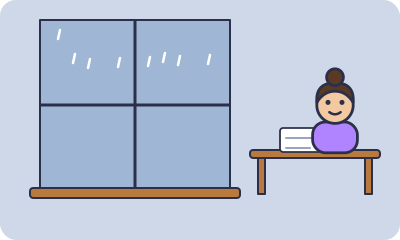
- She forgot Arti's birthday
- She lost Arti's address
- She has not written for a very long time
- She cannot visit Bangalore
Show the answer
C. She has not written for a very long time
Jaya says, "I'm sorry I haven't written for a very long time." She had last sent a birthday card in September 2005, so she did not forget the birthday.
Lencho cried, "These aren't raindrops falling from the sky, they are new coins." Why did he compare the rain to coins?
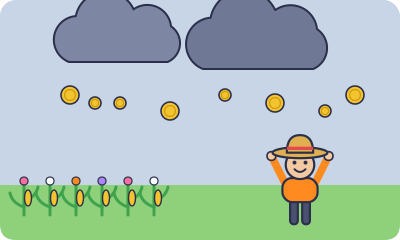
- The drops were made of shining silver
- The rain meant a good harvest, so every drop seemed as valuable as money to him
- He wanted to pay the boys with them
- The drops were so heavy that they rang on the roof
Show the answer
B. The rain meant a good harvest, so every drop seemed as valuable as money to him
The big drops were "ten cent pieces" and the small ones "fives". Rain would save his crop and so it was as precious as money. The comparison is a metaphor about value; the drops were not really metal. It is the later hailstones that "resemble new silver coins".
After the storm Lencho said to his sons, "A plague of locusts would have left more than this." What does he mean?
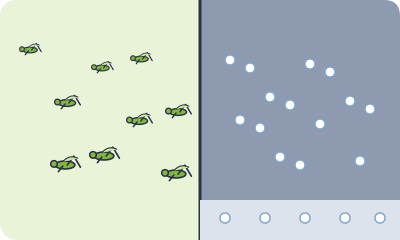
- Locusts had already eaten half the corn before the hail came
- He is glad that locusts did not arrive as well
- He thinks locusts are less dangerous than rain
- The hail did more damage to the crop than even a swarm of locusts would have done
Show the answer
D. The hail did more damage to the crop than even a swarm of locusts would have done
Locusts "fly in big swarms and destroy crops", yet he says even they would have left something. The hail "has left nothing", so it was worse. He is not saying locusts came, nor that he is relieved. Note the exaggeration used to show his despair.
Topics covered
- Reading: setting of the story
- Reading: raindrops like coins
- Reading: the storm
- Reading: the boys and the hail
- Reading: the hailstorm
- Reading: extract
- Reading: after the hailstorm
- Reading: the letter to God
- Reading: Lencho's faith
- Reading: at the post office
- Reading: the postman
- Reading: the postmaster's decision
- Reading: the postmaster's plan
- Reading: collecting the money
- Reading: the money Lencho received
- Reading: the first letter
- Reading: Lencho's second visit
- Reading: Lencho's reaction to the money
- Reading: why Lencho was angry
- Reading: writing the second letter
- Reading: irony
- Reading: characters
- Vocabulary: glossary words
- Vocabulary: crest
- Vocabulary: frozen pearls
- Vocabulary: sow
- Vocabulary: locusts
- Vocabulary: storms
- Grammar: the word "hope"
- Grammar: relative clauses
- Grammar: negatives for emphasis
- Literary theme: conflict
- Literary device: metaphor
- Writing: letter format
- Writing: listening to a letter
- Poem: poet and titles
- Poem: Dust of Snow, what happens
- Poem: Dust of Snow, imagery
- Poem: Dust of Snow, mood
- Poem: Dust of Snow, vocabulary
- Poem: Dust of Snow, theme
- Poem: Fire and Ice, what happens
- Poem: Fire and Ice, meaning
- Poem: Fire and Ice, rhyme scheme
- Poem: Fire and Ice, argument
- Poem: Fire and Ice, symbols
- Poem: Fire and Ice, imagery